Posted By
Posted On
June 5, 2025
In 2025, SEO is no longer just about Google—it’s about the AI that reads Google. Large language models (LLMs) like ChatGPT, Perplexity, and Gemini are becoming the default answer engines for millions of users. When people ask questions, they no longer click ten blue links—they trust what the AI says. And the AI pulls from content that’s well-structured, credible, and easy to quote.
This shift demands a new kind of optimization: Generative Engine Optimization (GEO). It’s not just about ranking. It’s about being referenced, summarized, or even directly quoted by AI models.
At Agensync, we’ve started embedding GEO strategies into our content workflows. Why? Because every time an AI cites a blog post, it reinforces domain authority, builds trust, and drives indirect traffic from chatbot interfaces.
Understanding Generative Engines
Generative engines don’t index like traditional search bots. They train on datasets, scrape snippets, and use retrieval models to construct answers. What they’re looking for isn’t just keywords—it’s clear context, structured logic, and unambiguous expertise.
When a generative model answers a user’s question, it favors sources that:
Are semantically clear
Contain structured, labeled information (headings, Q&A, schemas)
Use citation-friendly language (concise, factual)
Optimizing for them requires thinking like them. GEO is about writing for the reader and the retriever.
How to Structure AI-Friendly Content
AI prefers content that’s easy to parse and chunk. That means clearly labeled sections, logical flow, and digestible formats. Here’s how we do it at Agensync:
Start with direct question-style headers (e.g., “How does predictive SEO work?”)
Use short, factual paragraphs under each
Define terms the first time you use them
Add brief summaries or recaps mid-article
This structure isn’t just good UX—it’s perfect for how LLMs “scan” text. It increases the chances your content gets picked up in prompt chains or AI-generated citations.
GEO and Content Authority
AI bots pull from sources they view as authoritative. That doesn’t just mean domain authority—it means content authority. Even small websites can get cited if their content is uniquely insightful, well-labeled, and structured cleanly.
To build this:
Include original insights or internal data (AI favors novelty)
Write with absolute clarity—ambiguity gets filtered out
Reference questions users are likely to ask in chatbot interfaces
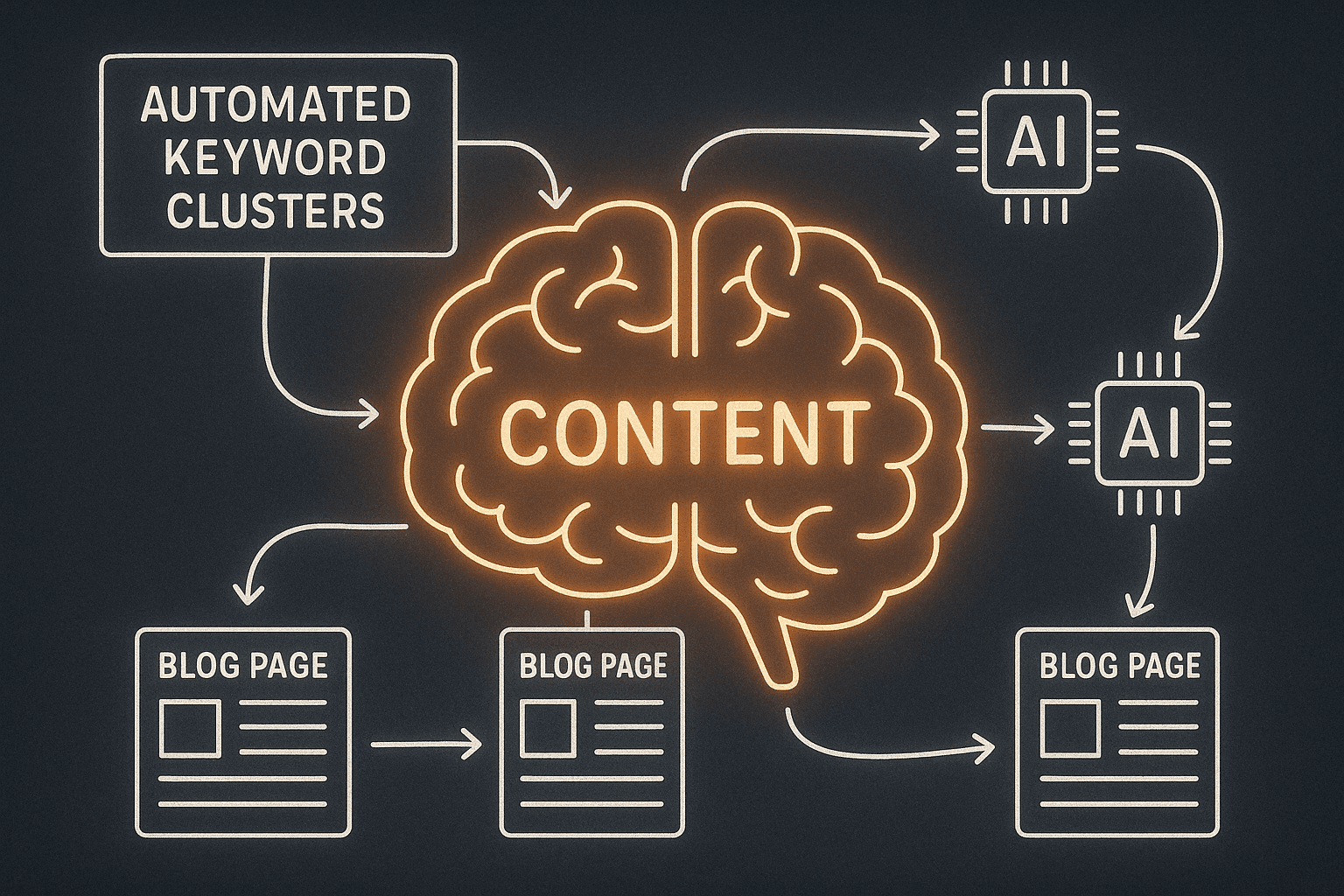
Our Agensync strategy includes feeding content briefs with common chatbot prompts from real user queries. We align article structure to match the way people ask.
Automation with n8n and Make.com
Manually GEO-optimizing every article is slow. So we automated the pipeline.
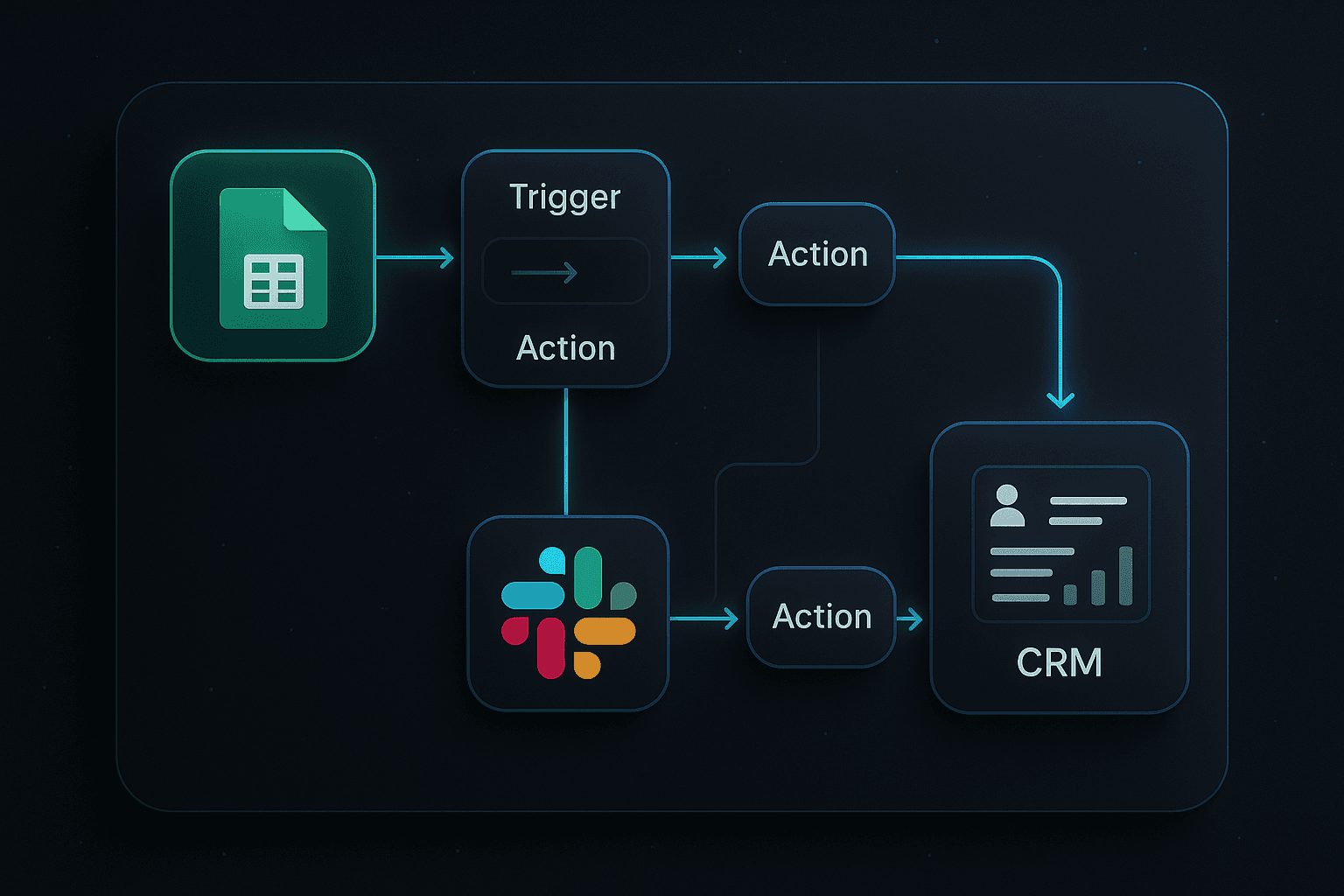
Using n8n or Make.com, we:
Monitor trending LLM queries or question patterns
Feed those into dynamic content briefs
Auto-tag articles with schema data
Trigger updates when AI-friendly questions change in trend
This creates a self-updating library of content tailored for chatbot readability. Our stack isn’t just about publishing—it’s about staying AI-relevant.
Schema and Structured Data
While traditional SEO uses schema for Google, GEO uses it for LLMs. Structured data tells AI where the answers are. FAQs, HowTo sections, and summaries at the top of articles are gold.
Even without adding structured markup, simply using repeatable formatting in articles (like question headers and clear lists) dramatically improves parsing by models.
GEO also favors labeled definitions. If you're introducing a concept like “search vectorization,” explain it simply, then build outward.
Becoming the Cited Source
Imagine your agency’s blog being quoted by ChatGPT every time someone asks, “What is generative SEO?” That’s not fantasy. It’s happening to brands already. The key is:
Publishing early on emerging terms
Writing clearly and accessibly
Structuring content in ways that AI can easily extract from
GEO isn't about traffic spikes. It’s about long-term inclusion in generative AI outputs. And that can build reputation, backlinks, and brand affinity at scale.
Final Thoughts
Generative Engine Optimization is the next evolution of SEO. As AI answer engines replace traditional search, your brand's visibility depends on how well you adapt.
At Agensync, we engineer content systems that speak directly to bots. From dynamic schema automation to LLM-aware content briefs, our approach ensures that when AI answers, it mentions you.
Want to be the source AI trusts? It starts by writing for the machine—and the moment.
Stay Informed with AgenSync Blog
Explore Insights, Tips, and Inspiration
Dive into our blog, where we share valuable insights, tips, and inspirational stories on co-working, entrepreneurship, productivity, and more. Stay informed, get inspired, and enrich your journey with Wedoes.