Posted By
Posted On
June 11, 2025
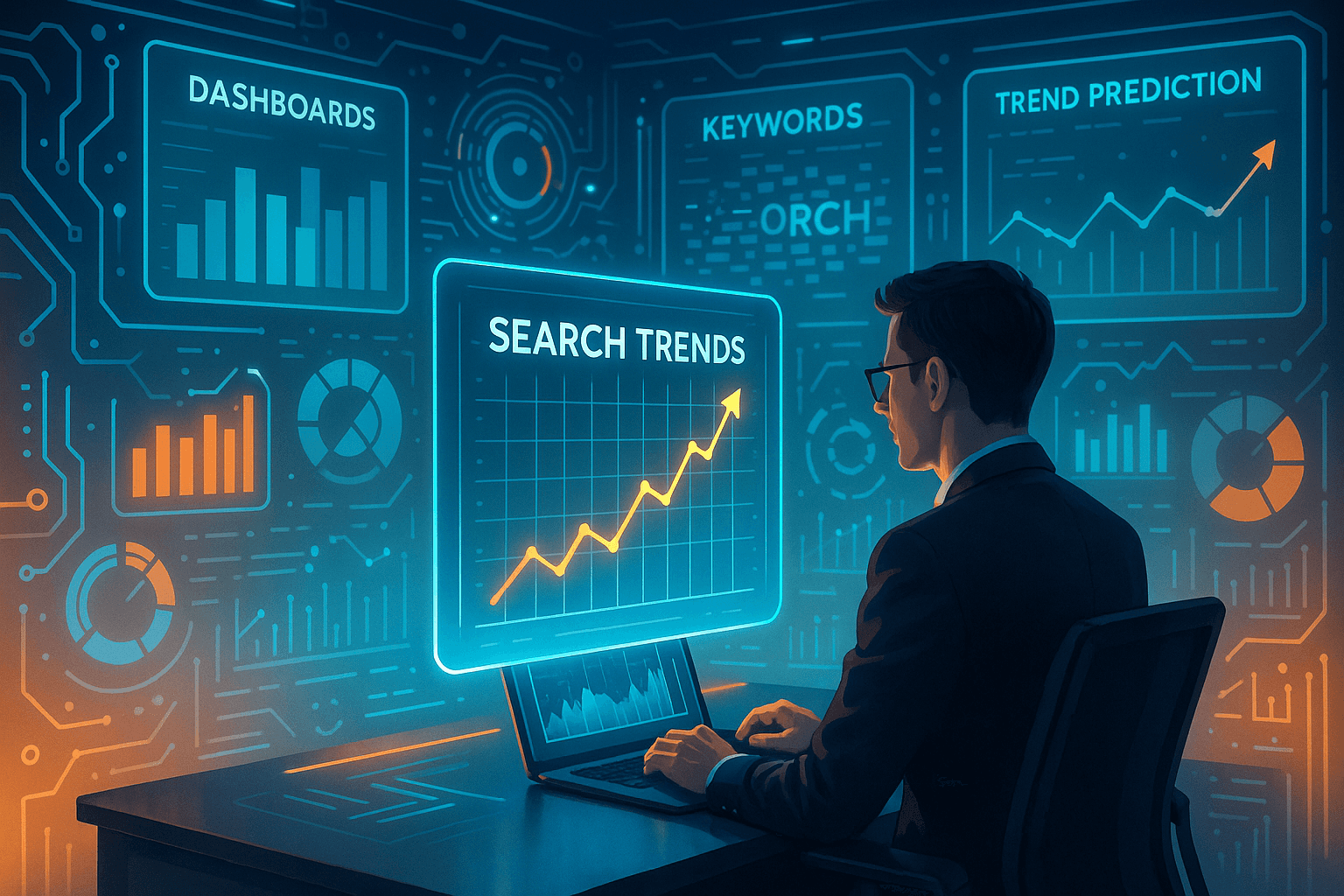
SEO is no longer about reacting to search trends. It's about predicting them before they even happen. As AI continues to evolve, the era of predictive SEO automation is here—and in 2025, agencies that adapt will lead.
At Agensync, we’ve spent the last year engineering a system that doesn’t just optimize for today’s search queries. It forecasts tomorrow’s. This is predictive SEO: a strategy powered by AI that detects early keyword signals, analyzes market shifts, and automates content planning weeks—or even months—ahead of your competition.
This isn’t guesswork. It’s data-driven forecasting with machine precision.
Why Predictive SEO Matters in 2025
Search behavior is no longer stable. New products, viral trends, regulatory changes, and generative content shifts can trigger keyword spikes overnight. Waiting for Google Trends or keyword tools to catch up means you're already behind.
Predictive SEO gives you a strategic advantage:
Publish before a trend peaks
Build topical authority early
Attract backlinks from being first-to-market
Dominate emerging SERPs before they saturate
For fast-moving industries—AI, health tech, SaaS, crypto—predictive SEO is no longer a luxury. It’s a survival strategy.
The Engine Behind Predictive SEO
At the core of predictive SEO is pattern recognition. With tools like n8n and Make.com, we’ve built custom automation pipelines that monitor:
Social media sentiment shifts
Niche subreddit keyword usage
Questions in community forums
Product changelogs and emerging APIs
Search behavior through scraping autosuggest APIs
These signals are parsed using natural language processing to cluster terms around future-facing topics.
Example: months before “local vector stores” became a trending term in AI circles, we had it flagged in our internal dashboards due to a sudden rise in GitHub mentions, subreddit activity, and dev-focused Slack channels.
Automating Keyword Forecasting with n8n or Make.com
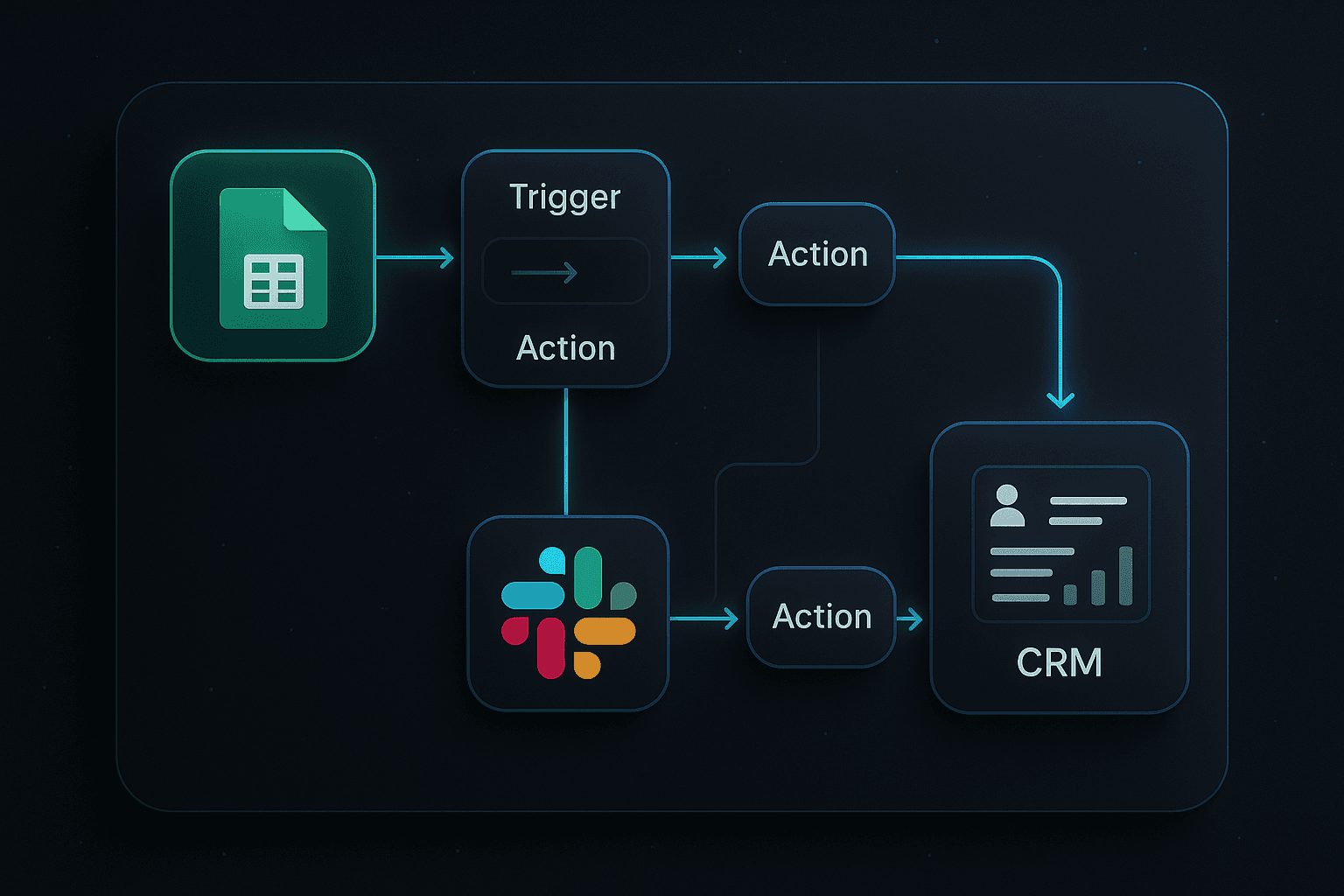
Here’s how we build a zero-touch keyword forecasting workflow:
Trend Watch Nodes: Scheduled scraping or API calls to sources like Twitter, Reddit, Product Hunt, and industry Slack channels.
AI Tagging: Each keyword mention is processed with LLMs to assess intent, relevance, and potential longevity.
Signal Score: Keywords are ranked based on frequency, velocity, and source credibility.
Brief Generation: Promising keywords automatically generate a content brief with title ideas, subheaders, FAQs, and internal links.
Content Task Trigger: The brief is routed to our Notion or Trello board, assigning the topic to a content strategist.
All of this happens with minimal human involvement. The result? A publishing calendar aligned with future trends—not yesterday’s data.
Understanding the “Velocity Score” Concept
Not every trending keyword is worth chasing. We developed a metric we call Velocity Score—a weighted algorithm that evaluates not just popularity, but momentum. This helps us avoid seasonal or hype-based distractions.
Factors include:
First appearance timestamp
Rate of growth per channel
Variability across industries
Tech ecosystem mentions (docs, changelogs, GitHub)
A term with a rising velocity score signals an inflection point: it’s gaining traction across credible sources. That’s when we move.
Forecasting by Clusters, Not Keywords
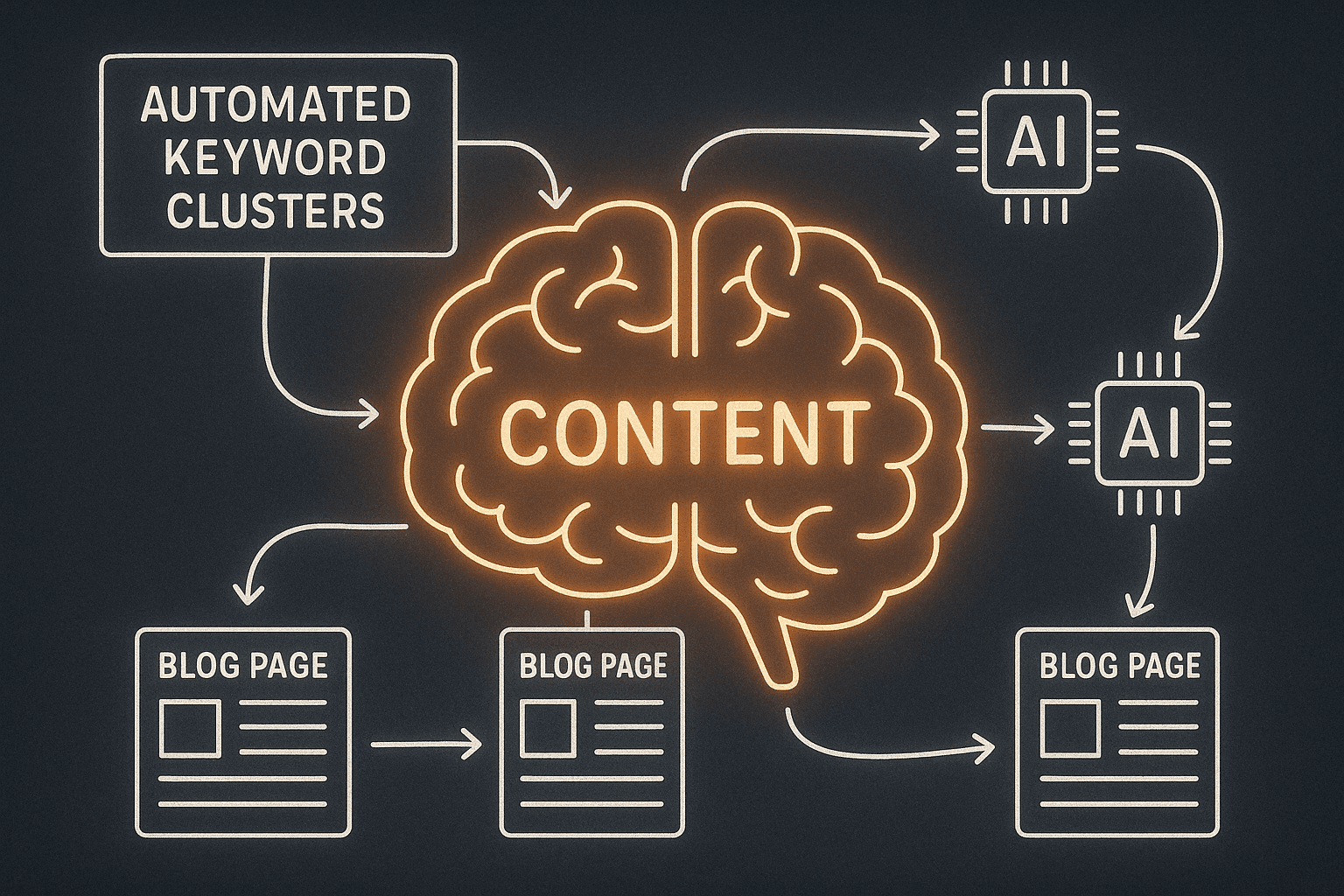
2025 SEO isn’t about optimizing one keyword at a time. It’s about owning clusters. When predictive automation identifies a topic (say, “AI content compliance”), our system expands it into:
Long-tail questions
Supporting blog topics
Product-related use cases
Buyer-intent content ideas
The AI generates internal linking strategies and identifies high-competition vs. low-competition pages. It even flags old articles that can be refreshed to match the rising cluster.
Results from Our Predictive SEO Stack
Since implementing predictive automation at Agensync:
Traffic from trend-driven content rose by 76% quarter-over-quarter
Time-to-publish from trend signal dropped from 18 days to 3
Backlink acquisition increased by 44%, especially from emerging-topic aggregators
The difference is simple: we’re not chasing trends—we’re there before they start.
The Future: Predictive Local and Multilingual SEO
The next frontier of keyword forecasting will be:
Hyperlocal: Spotting regional trends before they globalize
Multilingual: Forecasting in Spanish, Arabic, and Hindi for international traffic gains
AI-agent driven: Agents that refine and iterate SEO briefs based on live signal shifts
We’re training custom AI agents that refine keyword lists hourly and adjust our content calendar on the fly.
Conclusion: Lead the Curve, Don’t Follow It
AI has changed the SEO playbook. Forecasting is no longer optional—it's foundational. Predictive SEO gives your agency the ability to:
Anticipate intent
Preempt competition
Build authority before anyone else
At Agensync, we combine AI precision with automation muscle to dominate SERPs—before the crowd arrives. The agencies who forecast the future don’t just win traffic. They define the market.
Stay Informed with AgenSync Blog
Explore Insights, Tips, and Inspiration
Dive into our blog, where we share valuable insights, tips, and inspirational stories on co-working, entrepreneurship, productivity, and more. Stay informed, get inspired, and enrich your journey with Wedoes.