Posted By
Posted On
June 15, 2025
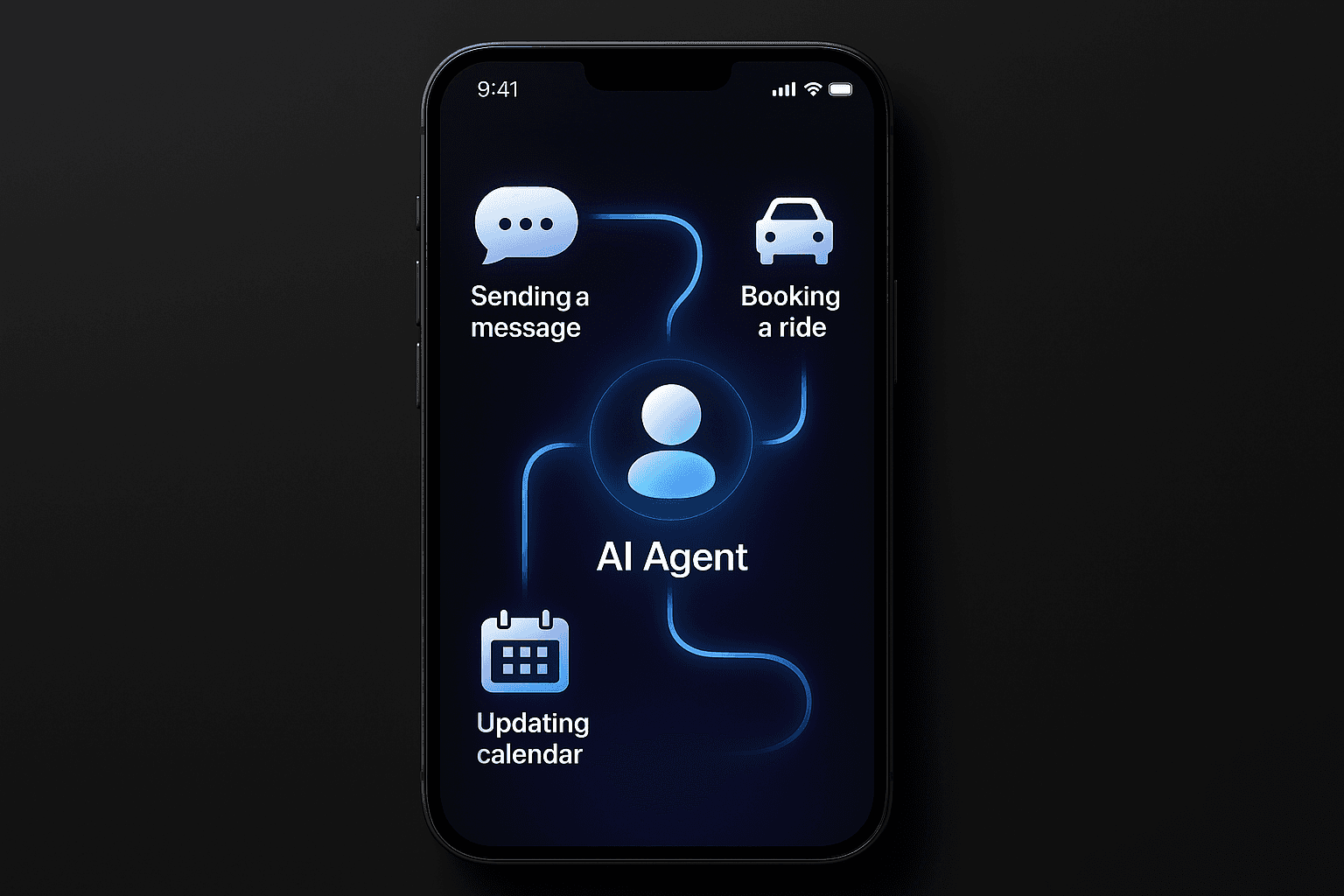
The mobile app experience is changing fast. Users no longer expect just apps—they expect agents.
In 2025, the most exciting innovation in mobile technology is Agentic AI—intelligent software capable of interpreting complex user goals and autonomously completing multi-step tasks, right inside your smartphone.
Instead of tapping through five apps to plan a dinner, a user can now simply say:
"Book a table for two at a nice Italian restaurant nearby, message John the location, and add it to my calendar."
And it's done.
This is agentic AI in action—a shift from apps as passive tools to mobile agents as active collaborators.
What Is Agentic AI?
Agentic AI refers to systems that not only understand instructions but reason, plan, and execute across multiple steps autonomously. Think of them as smart assistants that break down a goal into subtasks and complete them without needing constant prompts.
What sets agentic AI apart:
Goal-driven, not just task-driven
Multi-step reasoning
Tool-using (invoking APIs or other apps)
Context-aware memory and chaining
Autonomous decision-making based on user preferences
On mobile, this means AI that acts on behalf of the user, often across several native apps, APIs, or cloud systems.
Why Mobile Is the Perfect Place for Agentic AI
Mobile apps are siloed. A user might:
Use a calendar to check availability
Open a maps app to find locations
Use a chat app to send details
Go to a booking app to confirm
Agentic AI can eliminate this silo problem. It treats your mobile environment as a toolbox—grabbing what it needs, when it needs it.
This unlocks:
Hyper-personalized assistants
End-to-end task flows from one tap or voice prompt
Massive time-saving UX
Increased accessibility and productivity for all users
It’s not just a chatbot. It’s a goal engine in your pocket.
Real Mobile Use Cases in 2025
Agentic AI is no longer theory. Developers are already embedding it into apps across industries.
Personal Productivity
Use Case: Plan my week
A user says:
“Block 2 hours daily this week for focus work, skip Friday, and schedule gym at 6pm.”
The agent checks your calendar, applies your logic, avoids conflicts, and populates the schedule—all on-device or via synced apps.
E-Commerce
Use Case: Smart restocking
You say:
“Order the same protein bars I bought last month, but find a cheaper deal this time.”
Agent searches previous purchases, scrapes vendor pricing (or queries APIs), compares, and completes checkout in one workflow.
Travel & Logistics
Use Case: Plan a trip
User says:
“Book me a 3-day trip to Muscat with beach access and nearby hiking spots, under $800. Add everything to my itinerary.”
Agent books flights, finds hotels, adds info to your travel app, and suggests a weather-friendly schedule.
Health & Wellness
Use Case: Daily habit manager
“If I sleep less than 6 hours, cancel my morning workout and reschedule for evening.”
The agent monitors your sleep tracker, interprets logic rules, and autonomously adjusts your fitness schedule.
Building These Agents with Automation Tools
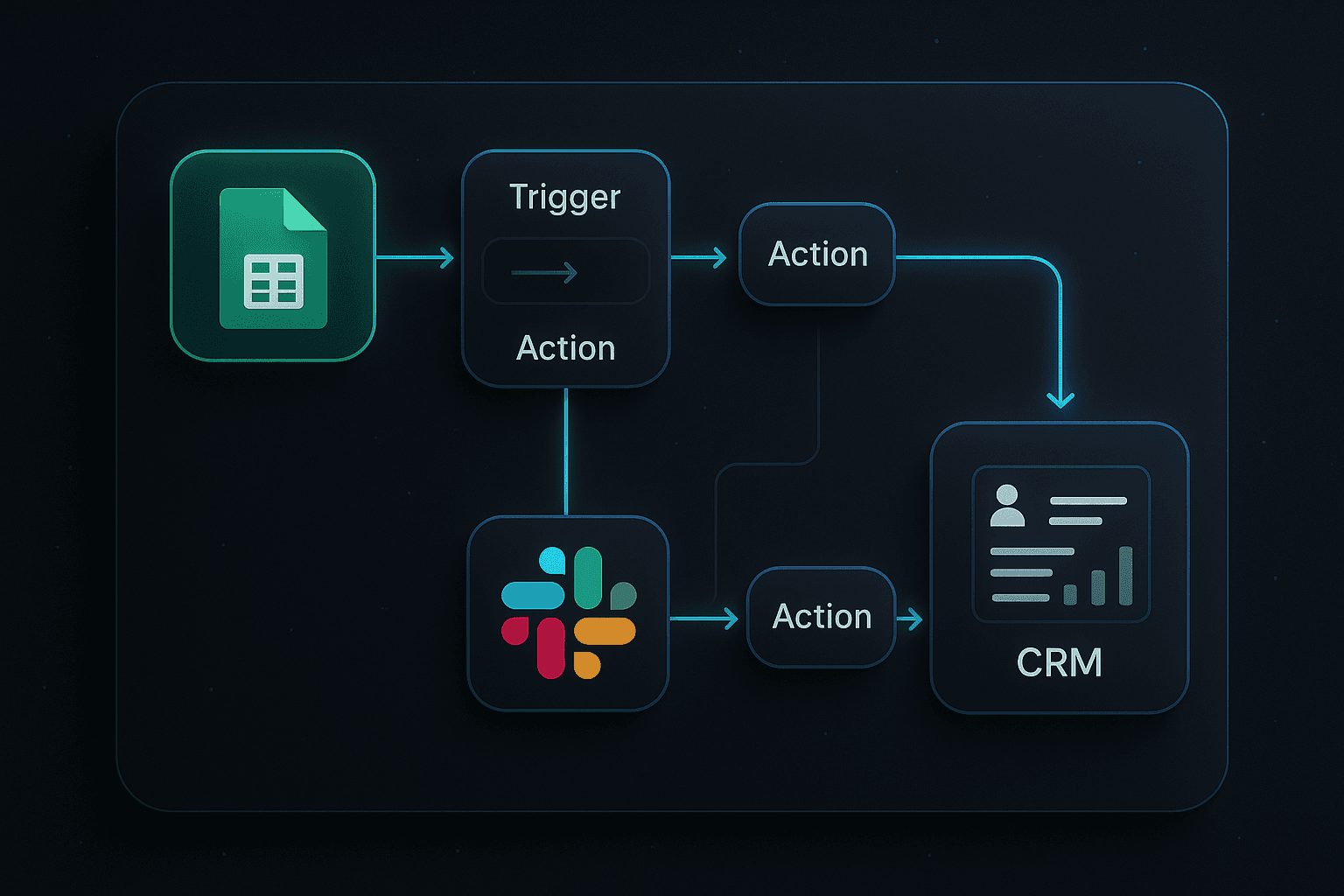
At Agensync, we use tools like n8n and Make.com to prototype and deploy these multi-step agentic workflows inside mobile apps.
Why?
Because they:
Handle complex branching logic
Connect to 1000+ tools and services
Work with webhooks, APIs, and schedules
Offer real-time triggers and async workflows
Allow no-code or low-code customizations
We wrap these tools in lightweight APIs that connect directly to the mobile front-end. From a user perspective, it feels instant and native—even if it’s powered by cloud automations in the background.
How Agentic AI Actually Works Behind the Scenes
Let’s break down what happens when a user makes a complex request.
Step 1: Intent Parsing
The LLM (like GPT or Mistral) takes a high-level request and identifies:
Primary goal
Subtasks
App/tool requirements
User preferences
Example:
“Send a thank-you message to clients I closed deals with this week”
Parsed into:
Query CRM for closed deals
Extract client names and emails
Generate thank-you text
Send email via Gmail
Step 2: Planning
The agent builds a plan chain:
If condition A, do X
Wait for response from tool Y
Retry after Z minutes if failed
This is often visualized or mapped in n8n or Make.com before deployment.
Step 3: Execution
The agent calls APIs, opens local app hooks, or executes commands silently.
Some tasks might require secure confirmation (payments, calendar access). Others run passively.
Step 4: Feedback & Follow-up
The agent might ask:
“I sent 4 messages. Want me to remind you if they don’t reply by Friday?”
That’s an agentic loop—a feedback-aware, proactive follow-up.
What Makes a Great Mobile Agent?
If you’re building agentic features into your mobile app, follow these best practices:
1. Make It User-Goal Focused
Don’t ask users what to do. Let them tell you what they want to achieve.
2. Context Memory
Let agents remember recent actions, locations, preferences, and timing. It makes the AI feel intelligent, not robotic.
3. Fail Gracefully
If a step breaks (e.g., booking fails), the agent should suggest alternatives, retry, or escalate.
4. Clear UX Handoff
Let users review and approve important agent actions (bookings, purchases, emails) before finalizing.
5. Use Automation Pipelines
Pair LLM agents with tools like n8n or Make.com to handle logic, retries, multi-step branching, and integrations.
The Future of Mobile Is Agentic
In 2025 and beyond, users won’t ask how to do things inside apps.
They’ll say what they want—and mobile agents will figure out the rest.
We're moving from:
Old UX | Agentic UX |
Tap > Fill > Confirm | Say > Watch it happen |
App by app | Workflow end-to-end |
Manual search | Context-based actions |
At Agensync, we’re already helping clients bring this vision to life—whether it's for finance, fitness, shopping, or productivity.
Why Work with Agensync?
We specialize in building mobile-ready agentic workflows using:
LLMs for understanding and planning
n8n or Make.com for execution
Secure cloud backends or on-device scripts
Minimalist UX for hands-free functionality
Our clients go from concept to prototype within days, with agentic logic running live inside their mobile apps.
We don’t just add AI to your app—we give your app an intelligence layer.
Final Thoughts
Agentic AI on mobile isn’t about adding another chatbot.
It’s about building a system that:
Understands goals
Plans intelligently
Executes flawlessly
Feels like a partner—not just a tool
In 2025, mobile apps that aren’t agentic will feel outdated. The future belongs to apps that act for the user—not just with them.
Ready to give your app a brain?
Let Agensync help you launch smarter.
Stay Informed with AgenSync Blog
Explore Insights, Tips, and Inspiration
Dive into our blog, where we share valuable insights, tips, and inspirational stories on co-working, entrepreneurship, productivity, and more. Stay informed, get inspired, and enrich your journey with Wedoes.