Posted By
Posted On
June 14, 2025
Search has stopped being typed. In 2025, users are increasingly talking to their devices instead.
And they’re not just asking, "What’s the best coffee machine under $200?"
They’re saying:
"Hey, I need a strong coffee maker for a small kitchen that doesn’t make much noise—any ideas?"
Voice and conversational AI aren’t just changing how people search. They’re redefining how content must be structured.
This article unpacks the biggest SEO automation trends tied to voice and chat-based queries, and how your content—especially if you’re running an agency like Agensync—can stay ahead.
The Shift: From Keywords to Conversations
Traditional SEO was keyword-centric:
“best running shoes 2022”
“buy DSLR camera cheap”
“how to fix iPhone screen”
Now, people talk like they text or speak to a friend:
“What are some good running shoes that won’t hurt my knees?”
“Can I get a cheap but good camera for travel photography?”
“How do I fix a cracked iPhone screen without going to a store?”
This shift brings new challenges:
Longer, messier queries
Contextual interpretation
Implied intent
Follow-up questions
Search engines and AI bots (like ChatGPT, Gemini, or Meta AI) are adapting. Your content needs to follow suit.
What Conversational AI Actually Looks For
In 2025, AI agents don’t scan for keywords. They scan for:
Clarity
Structure
Direct answers to indirect questions
Contextual cues
Content written in a human-first tone
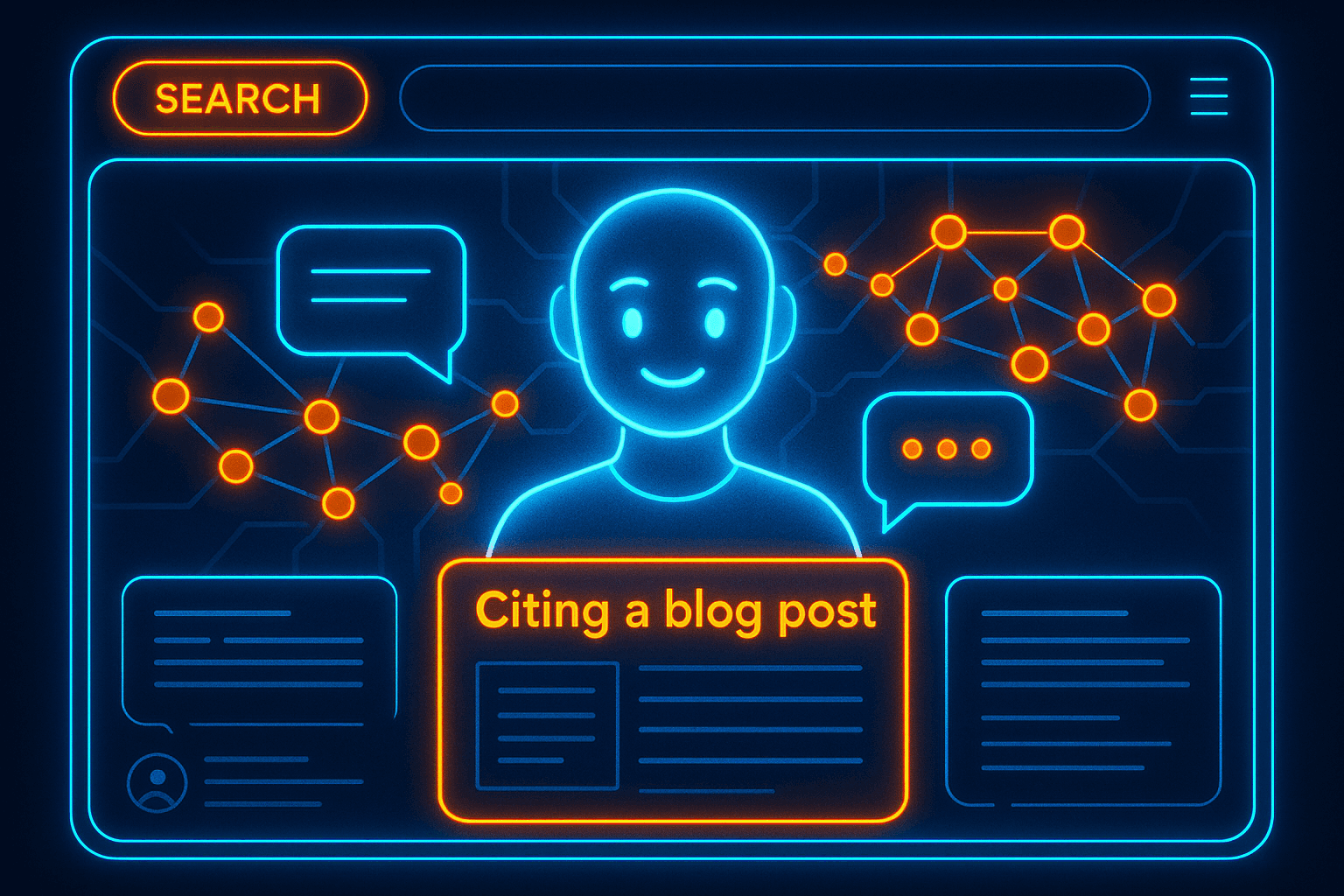
This means SEO is no longer just “ranked by Google”—it’s cited by AI.
And for that, your content must be structured for two audiences:
Human readers
AI agents that summarize, cite, and refer
Voice Search Optimization: Key Strategies
Here’s how to make your content discoverable in a voice-first, AI-crawled world.
Use Natural Language
Don’t write like a blog writer from 2012.
Instead of:
“Affordable dentist services New York”
Say:
“Looking for affordable dental care in New York? Here’s what to know.”
This helps conversational AI understand your content better—and serve it naturally in answers.
Target "How", "What", and "Should" Queries
Voice queries tend to start with:
“How do I…”
“What’s the best way to…”
“Should I…”
“Can I…”
“Is it worth…”
Structure sections of your content as Q&A blocks or natural subheadings using these forms.
Focus on Featured Snippet Formatting
Even if AI bots aren’t showing search results per se, they still pull answers from content structured like a featured snippet.
This means:
A clear question as an H2 or H3
A 2–3 sentence direct answer
A list or step-by-step breakdown (if relevant)
Simple, human-readable language
Example:
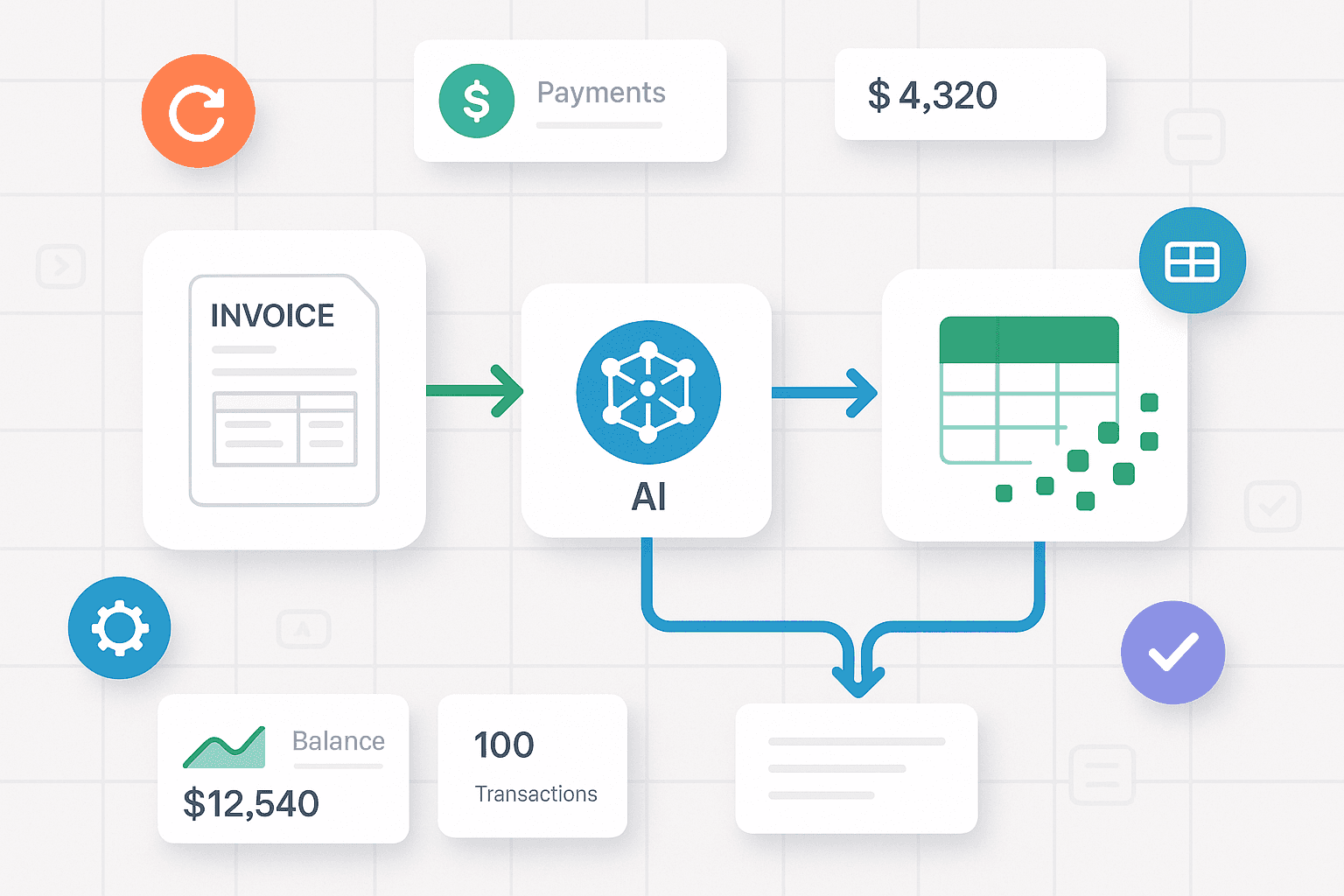
Q: How do I automate my invoice processing using AI?
→ Follow with a direct, conversational paragraph + bullet steps
Optimize for Follow-Up Logic
Conversational search is chain-based. One answer leads to another.
Structure your article to anticipate follow-up questions and address them immediately after.
For instance:
“Can I automate social media posting with AI?”
Follow it with:
“Yes—and here’s how to choose the right tools.”
“But what about scheduling for different time zones?” (next heading)
This makes your article more useful to AI bots trying to simulate a conversation.
Automating SEO for Conversational Relevance
Now let’s talk automation—how do we generate this kind of content efficiently?
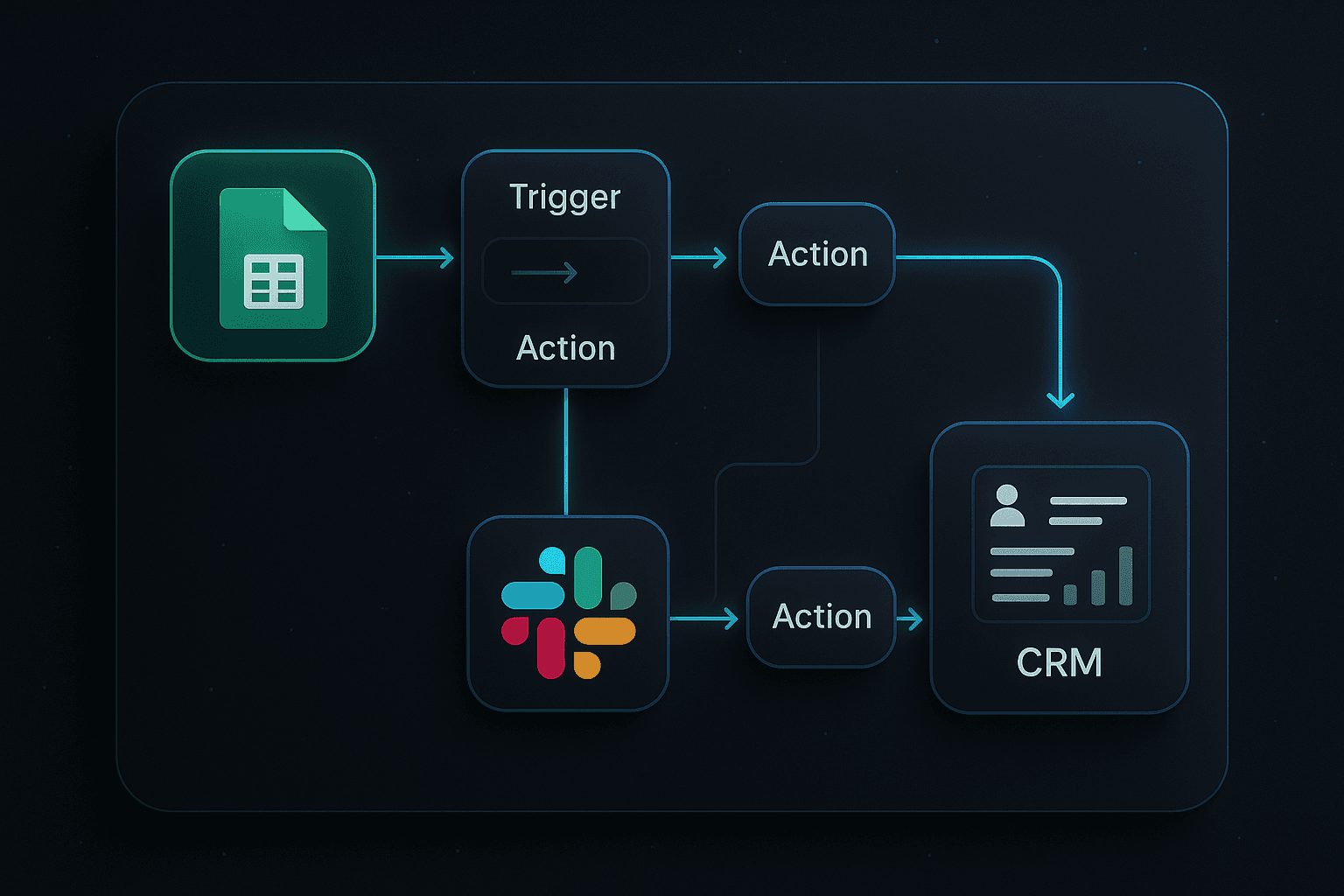
At Agensync, we use Make.com or n8n to automate parts of this content strategy:
1. Keyword Clusters from Questions
Instead of generic keyword lists, we auto-generate question-based clusters like:
“How do I choose X?”
“What makes a good Y?”
“Should I use A or B for Z?”
These form the natural headings we build content around.
2. Voice Intent Mapping
We create automation flows that tag keywords based on voice tone:
Informational
Transactional
Conversational
Decision-making
This allows smarter content briefs or prompt instructions for LLM-generated outlines.
3. Internal Linking Suggestions
Our workflows can also:
Suggest anchor phrases
Detect topic clusters
Auto-create contextual internal link prompts (for human review)
Why this matters? Because AI bots use internal linking to understand domain authority, topic clusters, and relevance.
Preparing Your Site for Voice AI Crawlers
Beyond content writing, here are key steps to get technically ready.
Use Structured Data
JSON-LD schemas help AI bots identify:
FAQs
Reviews
Author profiles
Product specs
Pricing
Use this even for service pages. Schema markup boosts visibility in both search results and AI answer boxes.
Improve Page Speed and Mobile Load Time
Voice assistants often pull content from fast-loading pages. Especially on mobile.
Use:
Responsive design
Compressed images
Fast CDNs
Minimal JavaScript overhead
Clean Up Redundant Pages
Voice bots prefer strong, focused content over duplicate or thin pages.
Consolidate content clusters. Update old posts. Remove fluff.
What’s Ranking in 2025 Isn’t Just Google
By 2025, “SEO” is no longer only about ranking on Google.
Your content might now be:
Quoted by ChatGPT
Summarized by Gemini
Referenced by Siri
Linked in Perplexity
Answered inside TikTok or YouTube AI search
These platforms don’t always display full URLs or meta data. They quote the cleanest, best-structured content.
So instead of ranking, ask:
“Would an AI agent choose this paragraph to answer someone’s question?”
That’s the new content game.
Examples of Voice-Optimized Content (Structure Breakdown)
Here’s how we at Agensync structure blog posts for AI visibility:
Short, clear intro (directly addressing the search intent)
Conversational subheadings (“How does this work?” / “Should I use X or Y?”)
Answers first, context later (reverse the fluff-heavy intros)
Light Q&A blocks embedded throughout
Summaries or TL;DRs every 300–500 words
Final recap or recommendation using human tone
We also internally score content by:
Voice flow
AI citation likelihood
Snippet-ability
Search intent match
Future-Proofing Your SEO Strategy
In 2025, AI is not “coming for SEO”—it is SEO.
If your content is:
Hard to quote
Buried in long intros
Over-optimized with keywords
Lacking conversational tone
Then AI bots won’t use it. And if AI doesn’t use it, humans won’t find it either.
Here’s your new checklist:
✅ Would I say this sentence out loud?
✅ Does this answer a real spoken question?
✅ Is it structured like a voice assistant would respond?
✅ Can an AI cite this without editing?
If yes—you’re future-ready.
Final Thoughts: Agensync’s Approach
At Agensync, we help creators, brands, and startups align with this new world of voice-first content.
We offer:
Automated topic clustering
Voice-friendly blog creation
Agent-friendly content formatting
SEO pipelines with tools like Make.com
LLM prompt design for human-style blog generation
Voice search isn’t a trend. It’s the default for a generation of AI-first users.
And the only way to stay relevant… is to start writing like they speak.
Stay Informed with AgenSync Blog
Explore Insights, Tips, and Inspiration
Dive into our blog, where we share valuable insights, tips, and inspirational stories on co-working, entrepreneurship, productivity, and more. Stay informed, get inspired, and enrich your journey with Wedoes.